Regenerative Matter(s)

Design Futures Lab and Sacred Heart College
Friday 2 October 4.00pm – 7.00pm
Saturday 3 October 11.00am – 6.00pm
Sunday 4 October 11.00am – 4.00pm
Friday 9 October 4.00pm – 6.00pm
Saturday 10 October 11.00am – 6.00pm
Sunday 11 October 11.00am – 4.00pm
Sacred Heart College, 62 Aphrasia St, Newtown 3220
Western SuburbsOctober 2October 3October 4October 9October 10October 11Free EventTourExhibitionArchitecture & Interior DesignArt, Creativity & InnovationFashion & TextilesProduct & Industrial DesignSustainability & Circular Design

The Design Futures Lab is a space for invention, collaboration and imagination, where emerging talents and experts come together to pioneer regenerative design with community impact at its heart. By welcoming both success and failure, the Lab encourages open-ended exploration and ideas with purpose.

For Geelong Design Week 2026, the Lab expands into design activism through a whole-school exploration of waste. Across STEAM, students examine materials through the lens of the periodic table, revealing their molecular value and rethinking waste as a resource.

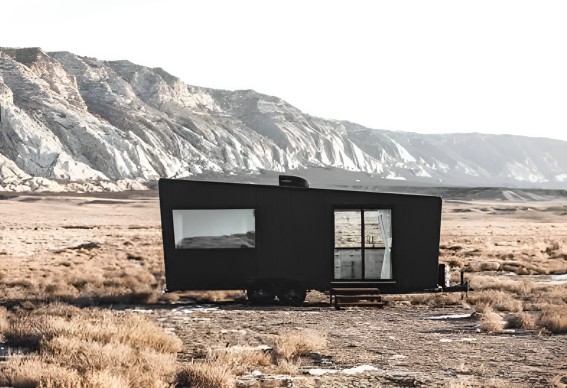
The exhibition brings together a range of student-led design projects, including a whole-school tiny house, regenerative materials lab, bio-textiles, leather upcycling and a living systems project combining future foods and endangered species.

Discover how young designers are questioning what we value, challenging systems of consumption and imagining more regenerative ways of making and living.

“Crisis brings us to invention and ironically to opportunity”

Margaret Diffey-Warylo, Year 11

“It’s very important that we start using bio materials to replace non renewable materials”

Saffron Macfadyen, Year 9
Design Future Lab 33 (1)

Bio

Design Futures Lab at Sacred Heart College Geelong is a student-led innovation program exploring real-world challenges through regenerative design, sustainable materials and circular thinking. Working with industry, designers and universities, students have developed projects using waste materials including coffee grounds and sawdust, with work presented at Melbourne Design Week. Collaborations with Nexus Designs have explored biomaterials through prototyping and material experimentation, while partnerships with businesses including Cultivated, Oroton and Bio Textiles have connected students with real-world sustainable design practices.

Website

Want to see more?

See all events